
 Deutsch
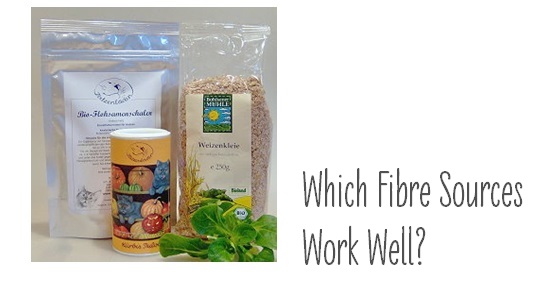
 Many cat owners ask which types of fiber are best for homemade cat food and how much to use. To help, we’ve put together tried-and-true options that work well in everyday feeding and are gentle even on sensitive cats.
 Fibre has a positive effect on the water content and bulk of the stool and helps regulate the passage of food through the digestive tract. With a natural, fresh-meat-based diet, the stool of raw-fed cats is naturally firmer than that of cats eating commercial catfood. For many cat owners, this can be a little concerning, as they worry their cat may have to strain or even experience discomfort when going to the litter box.
When changing your cat’s diet, the body needs time to adjust to the new food. The digestive system and enzyme activity gradually adapt to fresh food. Especially when switching from commercial kibble to fresh meat, it’s a good idea to include some fibre in the meals to help prevent stool problems and keep digestion running smoothly. Some cats manage perfectly well with just a tiny amount of added fibre. Every cat is unique, so it’s a good idea to experiment and see how much fibre your little friend needs to support healthy digestion.
Suitable Fibre Sources
There are several plant-based fiber sources that work well, and help support healthy digestion in cats:
- Steamed and pureed carrots
- Steamed and pureed zucchini
- Steamed and pureed Hokkaido pumpkin
- Finely chopped salad greens, such as lettuce or lamb’s lettuce
- Finely chopped cat grass
- Psyllium husks
- Wheat germ
- Flaxseeds (must be cooked in water beforehand)
- Sunflower seeds
- Shredded coconut
The plant-based portion in homemade cat food should make up about 3-5% of the total meal. That means for 1 kg of meat, you would add roughly 30-50 g of vegetables.
If your cat has specific health needs or preferences, you can adjust this amount accordingly. For sensitive cats, it’s a good idea to lightly steam and puree the vegetables to prevent digestive issues. Some cats tolerate raw vegetables, like grated carrots, very well, while others may be a bit more sensitive. Experiment to see what works best for your furry friend.
Signs of Healthy Digestion and Stool
A healthy cat’s stool should be well-formed and easy to pass, with little to no odor in the litter box. Ideally, your cat should go every day or every other day without straining.
Important: If your cat struggles significantly to pass stool, it’s important to have them checked by a veterinarian or animal health professional.
