
 Deutsch

Adding fat to a lean meat diet
A look at the natural diet of the cat provides the answer: a prey animal is not only muscle meat, but also fat tissue, skin, and other energy-rich parts. Cats naturally eat these as well, and they play an important role in meeting their energy needs.
When a raw meat diet is mainly based on lean muscle meat, the natural fat content is often too low. The diet may still provide enough protein, but it may not always cover the cat’s full energy requirements. Animal fats carry considerable caloric density and increase palatability. It is therefore necessary to add animal fat back to meat when meat is extra lean, as is the case with skinless turkey breast, skinless chicken breast, and most game meat.
How to add fat when feeding lean meat
If the diet is mainly based on lean meat, it can be helpful to add fat to keep it balanced. Suitable sources include fatty trimmings from the same type of meat, poultry skin, or other animal-based fat sources. Other options include fattier cuts such as beef, lamb, or duck, as well as beef or lamb fat, or goose or duck fat without additives. These help increase the overall fat content of the diet in a natural way.
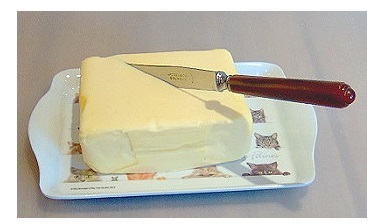
If suitable animal fat sources are not available, a small amount of butter can be used. It provides energy and is usually well tolerated in small amounts. For long-term feeding, however, animal-based fat sources such as trimmings, skin, or rendered fats are the better choice, as they are closer to the cat’s natural diet. It is best to introduce fat gradually so the digestive system can adjust. Not every cat tolerates higher fat levels in the same way. The right amount of fat depends on several factors, including the fat content of the meat, the cat’s energy requirements, activity level, and body condition. Some cats need more fat, while others do well with less.
Fat is more than just a source of energy. It is a natural part of prey, helps create a balanced, species-appropriate diet, and is also important for palatability, making meals more appealing to cats.
Fat is not the same as oil
A common misunderstanding: fat and oil are not the same and play different roles in nutrition.
Animal fat is an important part of a balanced raw meat diet. It mainly provides energy, supports the absorption of fat-soluble vitamins, and reflects the natural composition of prey animals. If fat is missing in a diet based on lean meat, it should be supplemented with suitable animal fat sources.
Oils, on the other hand, are not used as an energy source but may provide specific fatty acids depending on the type of oil. They do not replace dietary fat.
Animal fat provides energy and is part of a natural diet, while oils support specific fatty acids but do not replace fat.
Both can have a place in a balanced diet, but they serve different roles.